Email: fortwilliamspharmacy@gmail.com
Manténgase sano!
- Posted March 1, 2026
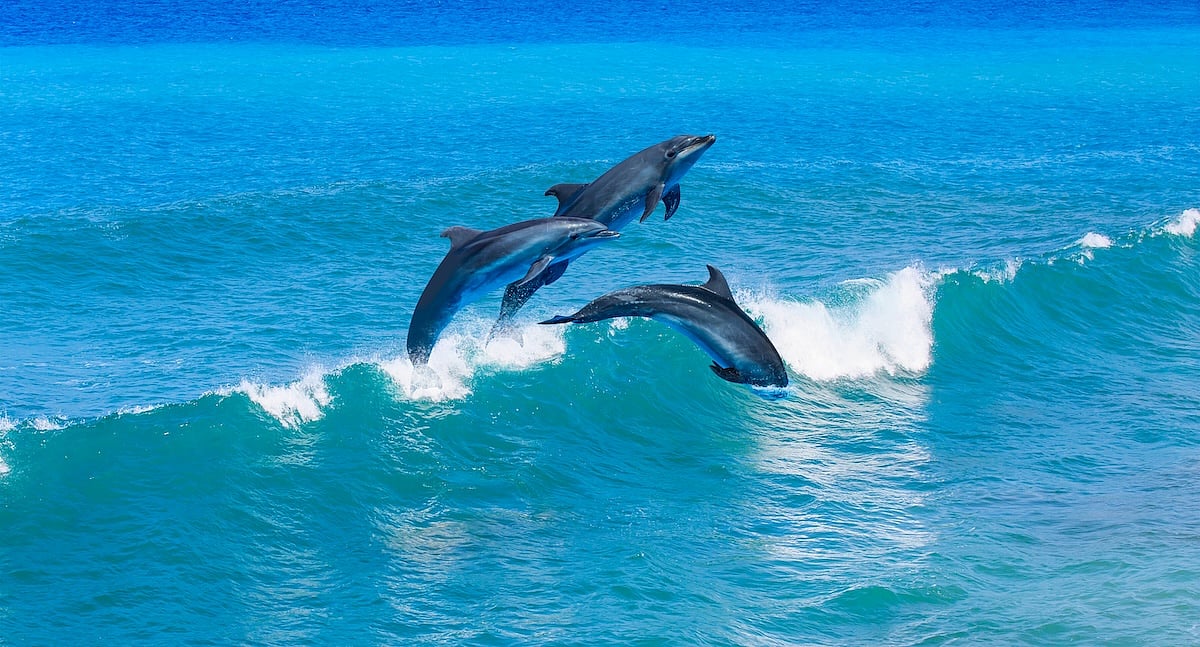
Electronics Pollution Pose Added Threat to Endangered Dolphins, Porpoises
Chemicals used to produce sharp images on your computer, TV and smartphone are posing threats to life under the sea.
New research shows that liquid crystal monomers (LCMs) from household electronics and e-waste can build up in tissues of dolphins and porpoises -- findings that suggest other marine species may also be at risk.
"This is a wake-up call: The chemicals powering our devices are now infiltrating marine life, and we must act now on e-waste to protect ocean health and, ultimately, ourselves," corresponding author Yuhe He of City University of Hong Kong said in a news release.
His team recently published its findings in the journal Environmental Science & Technology.
LCMs are key components of laptop, TV and smartphone screens. They produce sharp images by controlling how light passes through handheld or large display screens.
While their use has declined as manufacturers have shifted to LED displays, disposal of old equipment poses environmental risks, researchers said.
The chemicals have been found in indoor air, dust and even wastewater, eventually ending up in coastal areas, they said.
To find out how these pollutants move through marine food chains and whether they reach top predators, researchers studied tissue samples from Indo-Pacific humpback dolphins and finless porpoises.
The samples were collected between 2007 and 2021 in a key habitat for these endangered species -- the South China Sea.
Researchers were looking for 62 different LCMs in the creatures’ blubber, muscle, livers, kidneys and brains.
Their analysis found that most of the LCMs in porpoises and dolphins likely came from TV and computer screens, fewer from smartphones.
Not only were LCMs found in blubber, which often stores pollutants, but small quantitites were also found in the brain and other organs. That suggests they pose potential hazards to the animals’ health, including neurotoxic risks.
Four compounds accounted for a majority of what researchers found.
Earlier studies had pointed to similar LCMs in the marine creatures that these dolphins and porpoises eat, evidence that the pollutants enter through their diet rather than directly from the water.
The four compounds and several other common LCMs were found in the lab to affect genetic activity, suggesting that they pose a threat to marine mammals.
Researchers said their findings underscore an urgent need for regulatory action and safer disposal of environmental waste.
More information
The National Institutes of Health has more about the environmental risks posed by liquid crystal monomers.
SOURCE: American Chemical Society, news release, Feb. 25, 2026
